
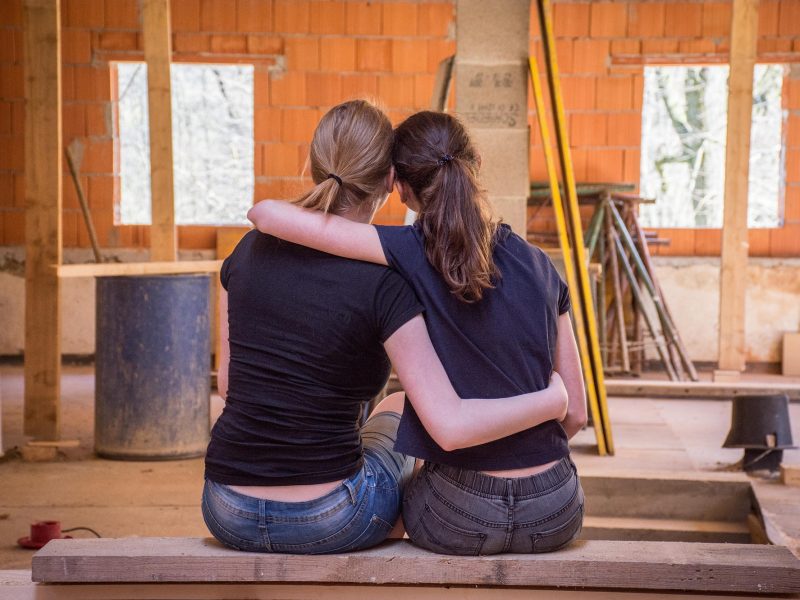
Is your home feeling a little tight? Do you find yourself dreaming of an open-plan kitchen or an extra bedroom for a growing family? You’re not alone. Many homeowners reach a crossroads where they love their location but have outgrown their living space. The dilemma then becomes: do you renovate within your existing footprint, or do you build an extension to create new space?
Choosing between a renovation and an extension is one of the biggest decisions a homeowner can make. Both paths offer exciting opportunities to transform your property, but they come with different price tags, timelines, and logistical challenges. In this guide, we’ll break down everything you need to know to make the right choice for your lifestyle and budget.
1. Understanding the Difference
Before diving into costs and benefits, let’s clarify what we mean by these terms, as they are often used interchangeably but entail very different scopes of work.
- Renovation: This involves updating, repairing, or restoring an existing structure. It’s about working within the current walls of your home. Examples include knocking down an internal non-load-bearing wall to create an open floor plan, updating a bathroom, or converting an attic or basement into livable space.
- Extension: This involves adding new square footage to your property. It changes the external footprint of the house. Examples include building a new room onto the back of the house, adding a second story, or constructing a side return extension.
2. Cost Comparison Breakdown
Budget is usually the deciding factor for most projects. While costs vary wildly based on location and finish quality, here is a general comparison framework.
| Feature | Renovation | Extension |
|---|---|---|
| Average Cost | Lower ($15,000 – $75,000+) | Higher ($40,000 – $150,000+) |
| Price per Sq. Ft. | Typically lower as the shell exists. | Higher due to foundations, roofing, and structural work. |
| Hidden Costs | Rewiring, plumbing upgrades, structural repairs found after demolition. | Soil testing, architectural fees, planning permits, party wall agreements. |
Financial Insight
“While extensions are generally more expensive upfront, they often add more market value to a home because they increase the total square footage. Renovations improve livability but rely on the quality of finish to boost value.”
3. Benefits of Renovation
Renovating is often the path of least resistance. It allows you to modernize your home without altering its structural footprint significantly.
- Cost-Effective: You aren’t paying for foundations, new roofing, or external walls.
- Faster Timeline: Without the need for heavy structural work, renovations can often be completed in weeks rather than months.
- Less Red Tape: Internal changes often don’t require full planning permission (though building regulations still apply).
- Character Preservation: You can maintain the original charm of an older home while updating the functionality.
4. Benefits of Extension
Sometimes, rearranging existing space just isn’t enough. If your family is growing, you physically need more room.
- More Space: This is the obvious one. You gain actual square footage, which solves overcrowding issues.
- Customization: You are building from scratch, meaning you can design the space exactly how you want it—perfect for modern, light-filled kitchen-diners.
- Property Value: In many markets, adding a bedroom or a significant living area offers a high return on investment (ROI).
- Avoid Moving Costs: An extension can often save you from the stamp duty, agent fees, and stress of moving house to get a bigger property.
5. Critical Factors to Consider
Planning Permission & Zoning
This is the biggest hurdle for extensions. Does your local council allow you to build out? Are you in a conservation area? Extensions almost always require permits and neighbor approval. Renovations, particularly internal ones, rarely face these hurdles unless you are dealing with a listed building.
The Disruption Factor
Can you live in the house while the work is being done?
Renovation: Usually, yes. You might have to live without a kitchen for a few weeks or share a bathroom, but it’s manageable.
Extension: This is a major construction site. Dust, noise, and gaping holes in your external walls might force you to rent temporary accommodation, adding to the cost.
Garden Space
Building out means eating into your outdoor space. If you have a small garden, a large extension might leave you with a tiny courtyard. You need to balance the need for internal space with the desire for outdoor living.
💡
Comments
Cet article m’a aidée à prendre une décision que je repoussais depuis deux ans. J’habitais une maison de 1 200 pi² à Québec et je voulais ajouter une chambre pour ma mère. Après avoir lu cet article, j’ai compris que la rénovation de mon sous-sol était beaucoup plus rentable qu’une extension. Nous avons engagé un entrepreneur via Loovy et le projet est terminé depuis décembre. Merci pour ce guide clair et honnête!
good blog
This article came at the perfect time. We’ve been debating for months whether to build up or add an extension at the back of our bungalow in Calgary. The breakdown between renovation costs and the return on investment for an extension was exactly what we needed. We’re now leaning toward a rear addition. Shared this with our contractor and he said it was one of the most accurate summaries he’s seen online. Merci Loovy!
Really solid comparison. One thing I’d add from personal experience: always factor in the zoning bylaws before committing to an extension — we almost lost $15,000 in architectural fees because our lot in Mississauga didn’t meet the setback requirements. Maybe a future article could cover municipal permit considerations? Otherwise, great content as always.