
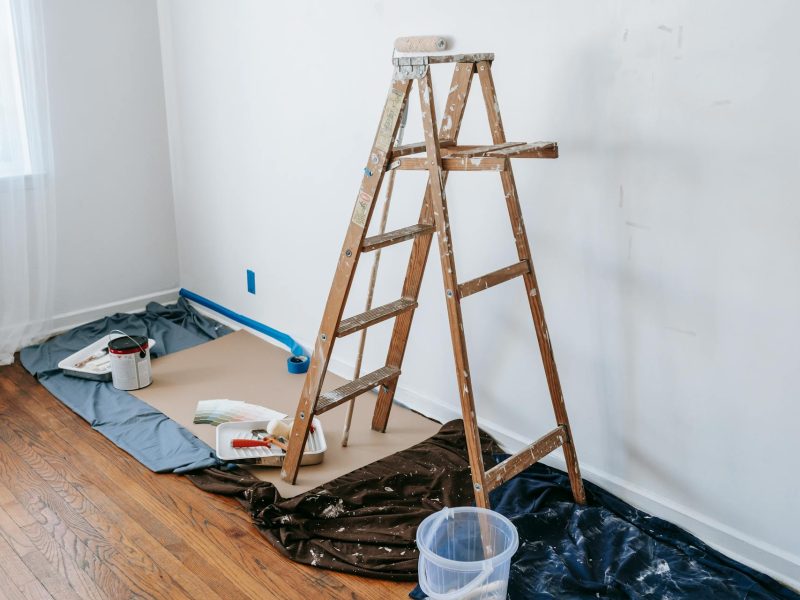
Walking into a room that feels “just right” is rarely an accident. It is often the result of thoughtful design choices, with color playing the leading role. The paint colors you choose for your home do more than just cover the walls; they set the tone for your life, influencing your mood, energy levels, and even how spacious a room feels. Whether you are looking to create a cozy sanctuary or a vibrant gathering space, mastering the art of color selection is the first step toward transforming your house into a home.
Understanding Color Psychology
Before dipping your brush, it is essential to understand that colors are a language of their own. Color psychology studies how different hues affect human behavior and emotions. While personal preference plays a significant role, universal reactions to color can guide your choices.
Neutrals (Whites, Grays, Beiges): The chameleons of the color wheel. They provide flexibility and can be warmed up or cooled down depending on the undertones.
Warm Colors (Reds, Oranges, Yellows): These are energizing and stimulating. They can make large rooms feel cozier but might be overwhelming in small, cramped spaces.
Cool Colors (Blues, Greens, Purples): These are receding colors, meaning they can make small rooms appear larger. They are generally calming and soothing.
💡 Design Insight
Don’t just look at the paint chip in the store. Test your paint samples on the wall and observe them at different times of the day. Natural morning light is different from artificial evening light!
Living Room Colors: Warm and Welcoming
The living room is the social hub of the home. It’s where you gather with family and entertain guests. Therefore, you want a color palette that stimulates conversation and feels inviting.
Warm neutrals like dove gray, creamy latte, or soft terracotta act as excellent backdrops for colorful furniture and art. If you prefer more color, earthy greens or warm slate blues can add sophistication without feeling too cold.
Kitchen Color Choices: The Heart of the Home
Kitchens are high-energy zones. It’s where the day begins with coffee and ends with dinner preparation. Colors here should be clean, appetizing, and energizing.
White and off-white remain top choices because they feel hygienic and airy. However, don’t be afraid of yellow. A soft, buttery yellow can mimic sunshine and increase happiness. Red is known to stimulate appetite, making it a popular choice for accent walls in dining areas adjacent to the kitchen.
“Your home should tell the story of who you are, and be a collection of what you love.”
Bedroom Paint Selection: A Sanctuary for Rest
Your bedroom is your retreat. The primary goal here is relaxation. High-energy colors like bright red or neon green are generally discouraged as they can inhibit sleep.
Cool colors reign supreme in the bedroom. Soft lavender, powder blue, or sage green are scientifically proven to lower heart rates and induce calmness. For a deeper, more cocoon-like feel, consider navy blue or charcoal, especially if you have ample natural light.
Bathroom Color Ideas: Clean and Refreshing
Bathrooms are often smaller spaces where you want to feel refreshed. The goal is usually to create a spa-like atmosphere.
Light and airy is the rule of thumb. Soft teals, aquas, and crisp whites reflect light and make tight spaces feel open. If you want drama in a powder room (a half-bath), this is the one place where you can break the rules with dark, moody wallpapers or deep jewel tones, as you don’t spend long periods there.
Home Office Colors: Boosting Productivity
With more people working from home, the color of your office matters more than ever. You need a shade that promotes focus without causing eye strain.
Green is considered the best color for concentration. It is restful for the eyes and reminds us of nature. Blue is excellent for productivity and intellectual work. Avoid stark white, which can be clinical and glaring; opt for off-white or soft gray instead to reduce visual fatigue.
Pro Tips from Professional Painters
We spoke with seasoned painting professionals to gather advice that goes beyond the color wheel:
The Ceiling “Fifth Wall”: Don’t leave it stark white by default. Painting the ceiling a lighter shade of the wall color can make the room feel taller and more cohesive.
Follow the 60-30-10 Rule: When decorating a room, divide the colors into percentages:
60% of a dominant color (walls)
30% of a secondary color (upholstery)
10% of an accent color (accessories)
Consider the Finish: Color is not just about hue; it’s about sheen. Matte finishes hide imperfections but are harder to clean. Satin or eggshell is the standard for living areas, while semi-gloss is best for kitchens and bathrooms due to moisture resistance.
The Ceiling “Fifth Wall”: Don’t leave it stark white by default. Painting the ceiling a lighter shade of the wall color can make the room feel taller and more cohesive.
Conclusion
Choosing paint colors doesn’t have to be daunting. By considering the function of the room, the mood you want to create, and the lighting conditions, you can narrow down the infinite options to a perfect palette. Remember, paint is the most affordable way to transform a space, and if you make a mistake, it’s easily fixed. Be brave, trust your instincts, and start swatching!
Comments
Je suis décoratrice d’intérieur amateur et cet article est l’un des meilleurs que j’ai lus sur le sujet. La règle des 60-30-10 est parfaitement expliquée et facile à appliquer. J’ai partagé cet article dans mon groupe Facebook de rénovation maison au Québec (plus de 12 000 membres) et il a reçu des dizaines de commentaires positifs. Bravo à l’équipe Loovy pour la qualité du contenu!
I have repainted my living room three times in the past two years because I kept choosing the wrong color! I wish I had found this article sooner. The tip about using large paint swatches instead of small chips is something no one ever told me — it completely changed how I approached choosing the color for our master bedroom. We went with a warm sage green and it’s absolutely perfect. Thank you Loovy Team!
Article vraiment utile! La section sur les undertones est souvent négligée dans les guides de peinture. Nous avons engagé Sophie Leblanc via Loovy pour peindre notre maison à Laval et elle nous a d’abord dirigés vers cet article avant notre consultation. Cela nous a permis d’arriver à la rencontre avec une idée claire de ce que nous voulions. La couleur finale (un bleu ardoise froid dans le salon) est magnifique. Fortement recommandé!
Great practical tips! I especially appreciated the advice about natural vs. artificial lighting and how it affects paint color perception. We painted our north-facing home office in a bright white and it looked gray and cold all winter. After reading this, I understand why. I’ve already ordered a sample of a warm off-white to test. Would love an article specifically about dark and moody color palettes — very trendy right now!