
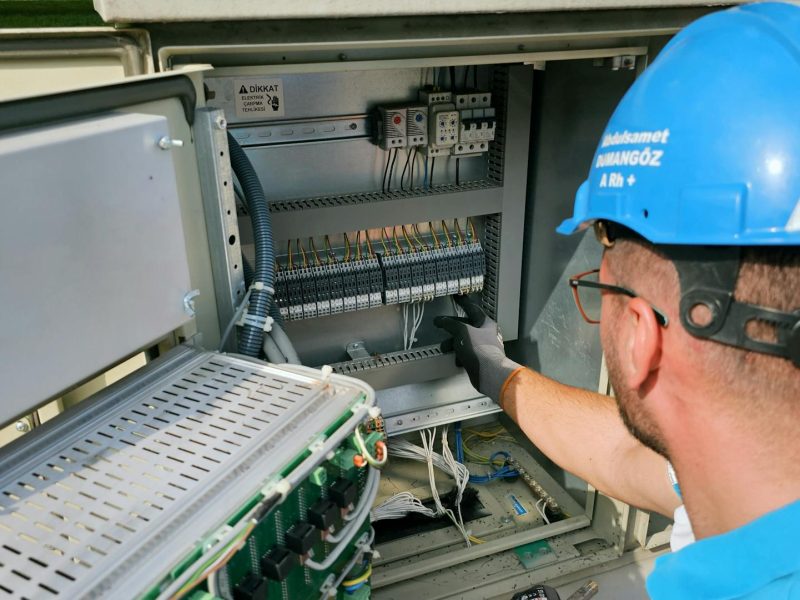
Electricity is the invisible force that powers our modern lives, from the coffee maker that starts our morning to the lights that keep us safe at night. Yet, because it is hidden behind walls and outlet covers, it’s easy to forget the immense power—and potential danger—coursing through our homes every second of the day. For homeowners, understanding electrical safety isn’t just about maintenance; it’s a critical responsibility for protecting your property and your loved ones.
According to the National Fire Protection Association (NFPA), electrical failures or malfunctions are a leading cause of home fires in the United States, resulting in hundreds of injuries and significant property damage annually. The tragic reality is that many of these incidents are preventable with basic knowledge and timely intervention.
This comprehensive guide is designed to empower you with the essential knowledge you need. We will walk you through how your system works, the warning signs you should never ignore, and practical safety tips to implement today. Whether you live in a historic home or a new build, these principles remain the cornerstone of a safe household.
💡 SAFETY TIP: Respect the Power
Never treat electricity casually. A standard household outlet delivers 120 volts of electricity, which is enough to cause serious injury or death. Always prioritize caution over convenience.
Understanding Your Home’s Electrical System
Before you can spot a problem, it helps to understand the basics of what’s happening behind your walls. Your home’s electrical system is like the circulatory system of a body.
Basic Components
- Service Panel (Breaker Box): The heart of the system. This is where electricity enters your home and is distributed to different circuits. It houses circuit breakers that act as safety valves, cutting off power if current flows too high.
- Circuits and Wiring: The veins and arteries. Wires carry electricity from the panel to various locations in your home.
- Outlets and Switches: The delivery points. These allow you to access the power for your appliances and lighting.
Age Considerations: Electrical standards have changed drastically over the decades. A home built in the 1950s was not designed to handle the load of modern computers, large TVs, and smart appliances. If your home is over 30 years old and hasn’t been rewired, regular inspections are crucial.
10 Warning Signs of Electrical Problems
Your house will often tell you when something is wrong before a disaster occurs. Listen and look for these ten common symptoms:
Old Electrical Panel: If your panel uses fuses instead of switches, or is a known problematic brand (like Federal Pacific or Zinsco), it needs replacement.
Flickering Lights: If lights dim when you turn on an appliance (like a vacuum or AC), your circuit is overloaded or the wiring is loose.
Burning Smells: An acrid, plastic-burning odor near outlets or your panel is an immediate emergency. It indicates insulation is overheating.
Warm or Discolored Outlets: Faceplates should never be hot to the touch. Discoloration (brown/black marks) indicates sparking or heat damage inside the wall.
Frequent Circuit Breaker Trips: Breakers trip to protect you. If one trips constantly, it’s doing its job against a fault or chronic overload.
Buzzing Sounds: Electricity should be silent. A buzzing sound from an outlet or switch often indicates a loose connection or arcing.
Sparking Outlets: Seeing a spark when you plug something in is not normal and usually means the fixture is defective.
Aluminum Wiring: Common in homes built in the late 60s/early 70s. It expands and contracts more than copper, leading to loose connections and fire risks.
Two-Prong Outlets: These ungrounded outlets are outdated and cannot safely handle modern three-prong appliances.
Overloaded Circuits: Reliance on “octopus” adapters or daisy-chained power strips is a clear sign your home lacks sufficient outlets.
⚠️ WARNING: IMMEDIATE ACTION REQUIRED
If you smell burning plastic, see smoke coming from an outlet, or hear sustained buzzing from your breaker panel, evacuate the immediate area and call an electrician or emergency services immediately. Do not attempt to fix this yourself.
Essential Electrical Safety Tips
Prevention is always better than repair. Implement these daily habits to keep your home safe:
Don’t Overload Outlets
Just because a power strip has six slots doesn’t mean you should use all of them for high-wattage devices. Plug major appliances (refrigerators, heaters, AC units) directly into wall outlets, never extension cords.
Water and Electricity Don’t Mix
Keep all electrical devices away from water sources. If an appliance falls into water, do not reach for it. Unplug it at the panel or wall first.
Cord Care
Inspect power cords regularly. If the protective coating is cracked, frayed, or chewed by pets, replace the device or cord. Never run cords under rugs where heat can build up and damage can go unnoticed.
Child-Proofing
If you have young children, install Tamper-Resistant (TR) receptacles. These have internal shutters that prevent objects from being inserted into the slots unless equal pressure is applied to both sides.
⚡ Electrical Safety Checklist
- Test GFCI buttons monthly (Push ‘Test’, then ‘Reset’)
- Check wattage ratings on all lamps (don’t exceed the limit)
- Ensure heavy appliances have dedicated circuits
- Replace any loose-fitting wall outlets
- Verify extension cords are rated for their intended use
- Keep space heaters 3 feet away from combustible materials
When to Call a Professional Electrician
In the age of DIY videos, it’s tempting to fix things yourself. However, electrical work carries risks of shock and fire that painting or plumbing do not. Knowing when to step back is a key part of safety.
DIY Safe: Changing a lightbulb, swapping a faceplate (cover only), or resetting a breaker (once).
Call a Pro: Any wiring work, installing new outlets, replacing a breaker, installing fixtures that require new wiring, or any situation involving burning smells or shocks.
💡 SAFETY TIP: The “One Reset” Rule
If a breaker trips, you can try resetting it once. If it trips again immediately, do not reset it a second time. There is a live fault in your line. Call a professional to investigate.
Electrical Safety for Different Rooms
Kitchen
The kitchen consumes the most power. Ensure all countertop outlets are GFCI (Ground Fault Circuit Interrupter) protected. These cut power in milliseconds if they detect water contact. Never use extension cords for appliances like toasters or microwaves.
Bathroom
Moisture is the enemy here. Like the kitchen, GFCIs are mandatory. Ensure exhaust fans are clean to prevent overheating and reduce humidity that can affect wiring.
Bedroom
Don’t charge phones under pillows or blankets; they generate heat and can catch fire. Inspect electric blankets for fraying wires before every winter season.
Preventing Electrical Fires
Electrical fires behave differently than wood or paper fires. They often start inside walls and can smolder for hours.
- Prevention: Schedule an electrical inspection every 3-5 years, or immediately upon purchasing a new home.
- Extinguishers: Keep a Class C (or multi-purpose ABC) fire extinguisher accessible. Never use water on an electrical fire—it conducts electricity and can electrocute you.
Upgrading Your Electrical System
Modern living requires modern power. If you are renovating, consider:
- Panel Upgrade: Moving from 100 amps to 200 amps allows for modern appliances and EV chargers.
- AFCI Breakers: Arc Fault Circuit Interrupters detect dangerous arcing (sparking) conditions that standard breakers miss.
- Smart Home Integration: Smart outlets and switches allow you to monitor energy usage and turn off devices remotely if you forgot them.
Professional Tips from Electricians
- “Treat your breaker panel like your car engine—it needs a check-up occasionally, not just when it breaks.”
- “If you need an extension cord permanently, you need a new outlet installed.”
- “LED bulbs aren’t just energy efficient; they run cooler, reducing the risk of overheating in enclosed fixtures.”
- “Label your breaker panel accurately. In an emergency, you need to know exactly which switch kills power to the kitchen.”
Conclusion
Your home should be your sanctuary, not a safety hazard. By staying vigilant for warning signs like flickering lights or warm outlets, and respecting the limits of your electrical system, you can prevent disasters before they start. Remember, electricity is complex and unforgiving. When in doubt, the safest choice is always to call a licensed professional.
Take a moment this weekend to walk through your home with the checklist provided above. A few minutes of inspection could save your home and your life.
Comments
Finally a home electrical safety guide written for regular homeowners, not electricians! The section about GFCI outlets in bathrooms and kitchens was so clearly explained. I tested all our outlets after reading this and discovered two in the garage that had never been GFCI-protected. Our home was built in 1992. Our electrician confirmed this was a code violation and fixed it for $280. Well worth it for the peace of mind. Please write more guides like this!
Cet article m’a ouvert les yeux sur les risques réels des vieux panneaux électriques. Notre maison à Laval a été construite en 1978 et j’avais un panneau Federal Pacific que je ne savais même pas identifier. Après avoir lu cet article, j’ai immédiatement appelé David Chen via Loovy. Il est venu le lendemain et a confirmé que le panneau représentait un risque d’incendie réel. Remplacé en une journée. Cet article m’a probablement sauvé la maison.